

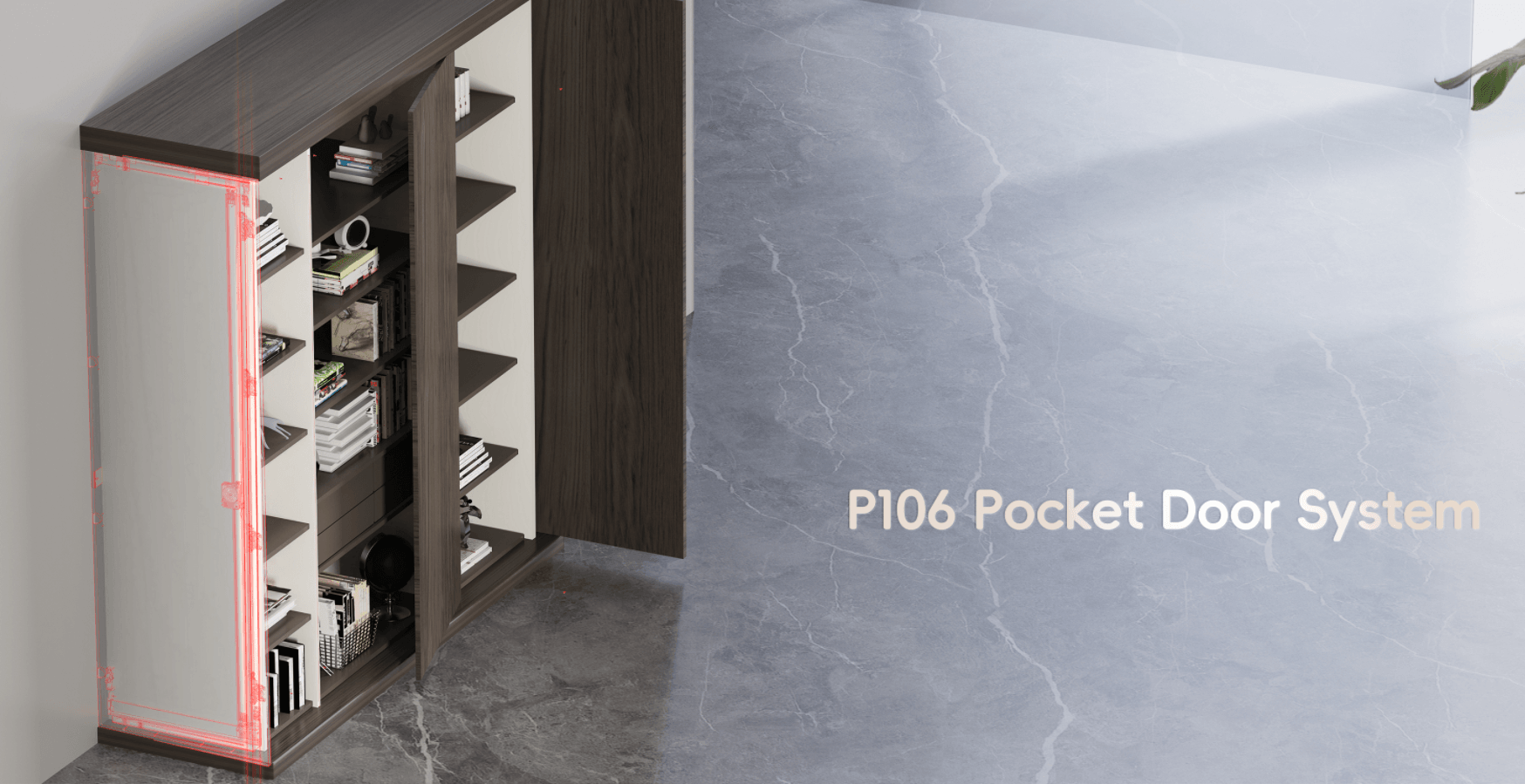
As modern interior design continues to move toward minimalist, handleless, and space-saving solutions, the Pocket Door system has become an increasingly popular choice for wardrobes, kitchen cabinets, and custom furniture.
Its key advantage lies in its ability to fully conceal the door panels inside the cabinet structure. When opened, the doors slide smoothly into the cabinet without occupying external space; when closed, they create a flush, clean, and seamless appearance, perfectly aligning with contemporary high-end design trends.
However, during the sourcing or purchasing process, many buyers ask the same question:
Why is a Pocket Door system significantly more expensive than traditional hinges or standard sliding door hardware?
The answer lies in its complex engineering and high-performance requirements.
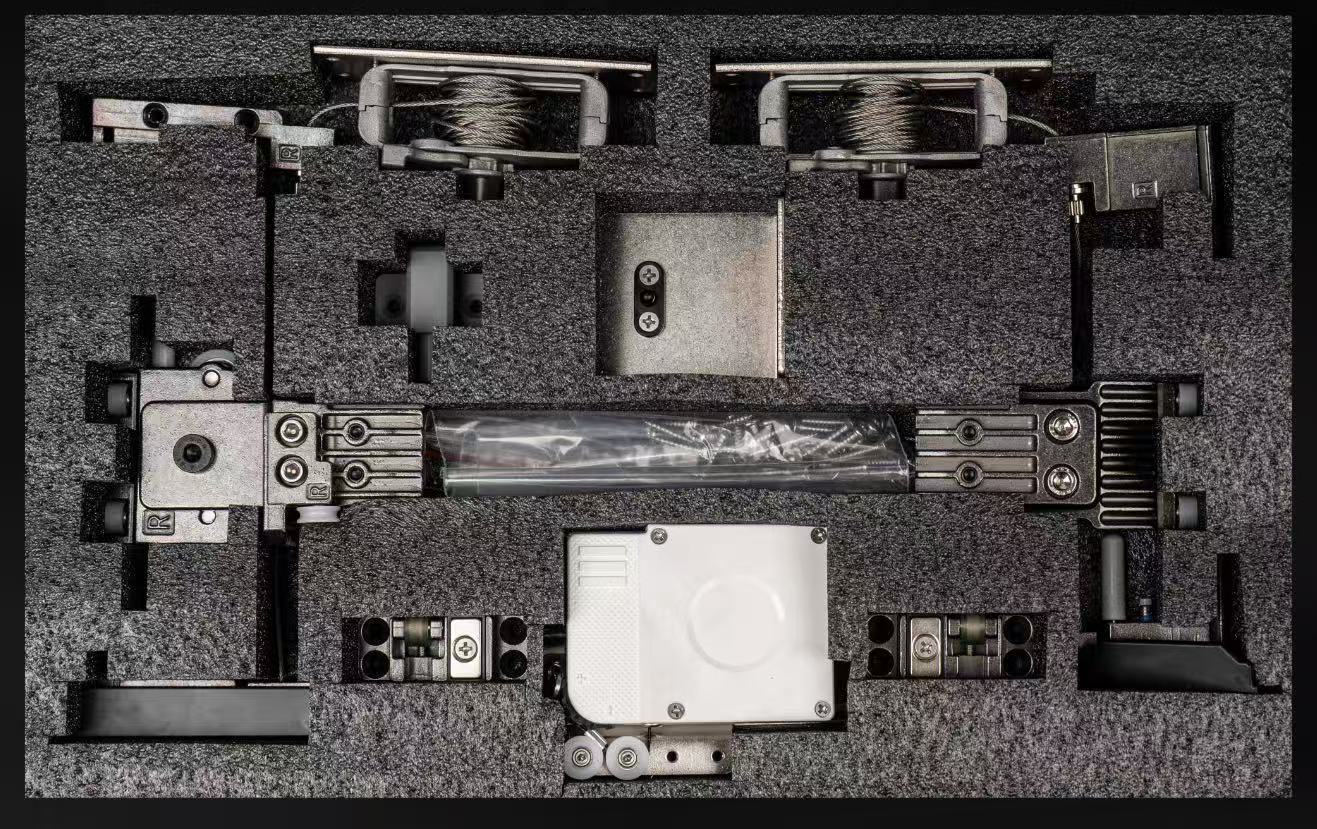
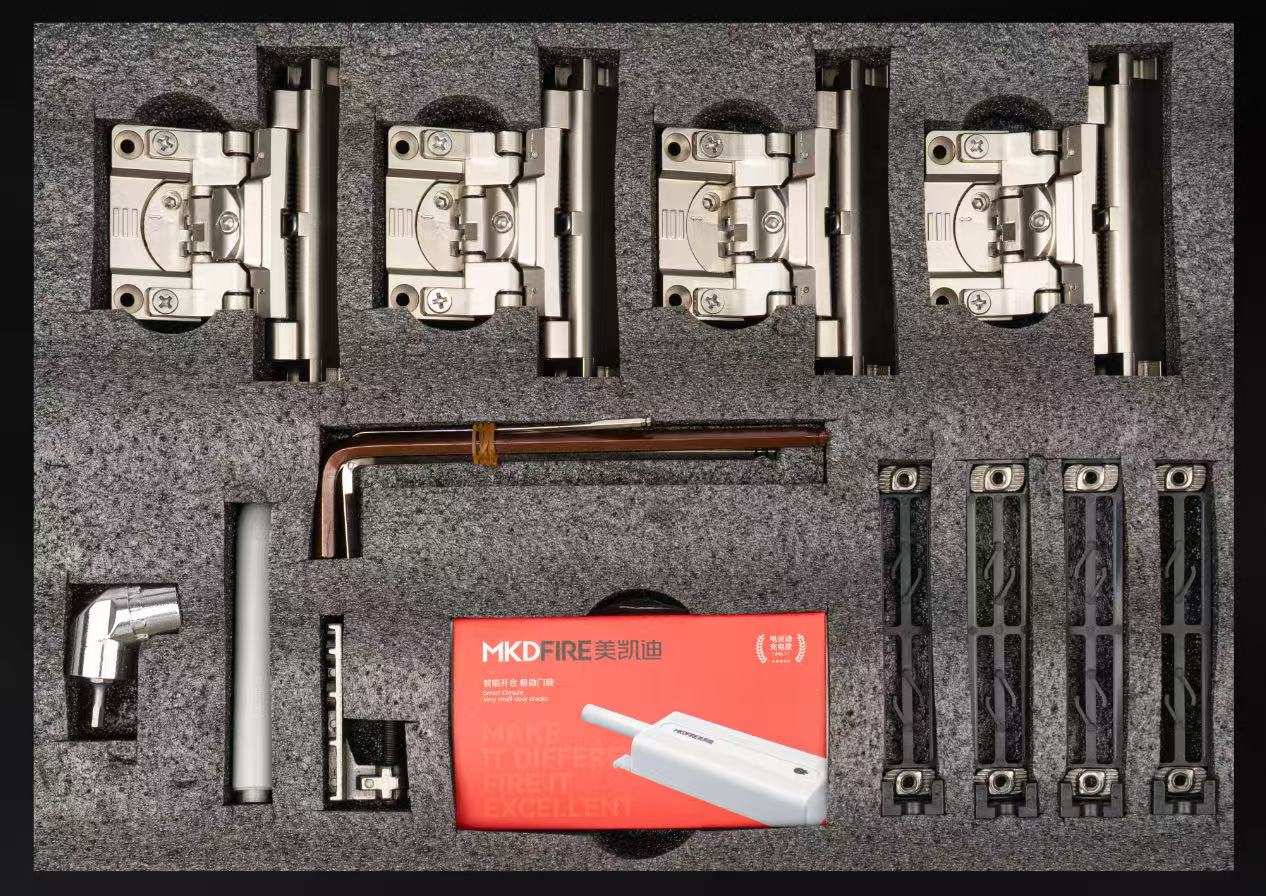
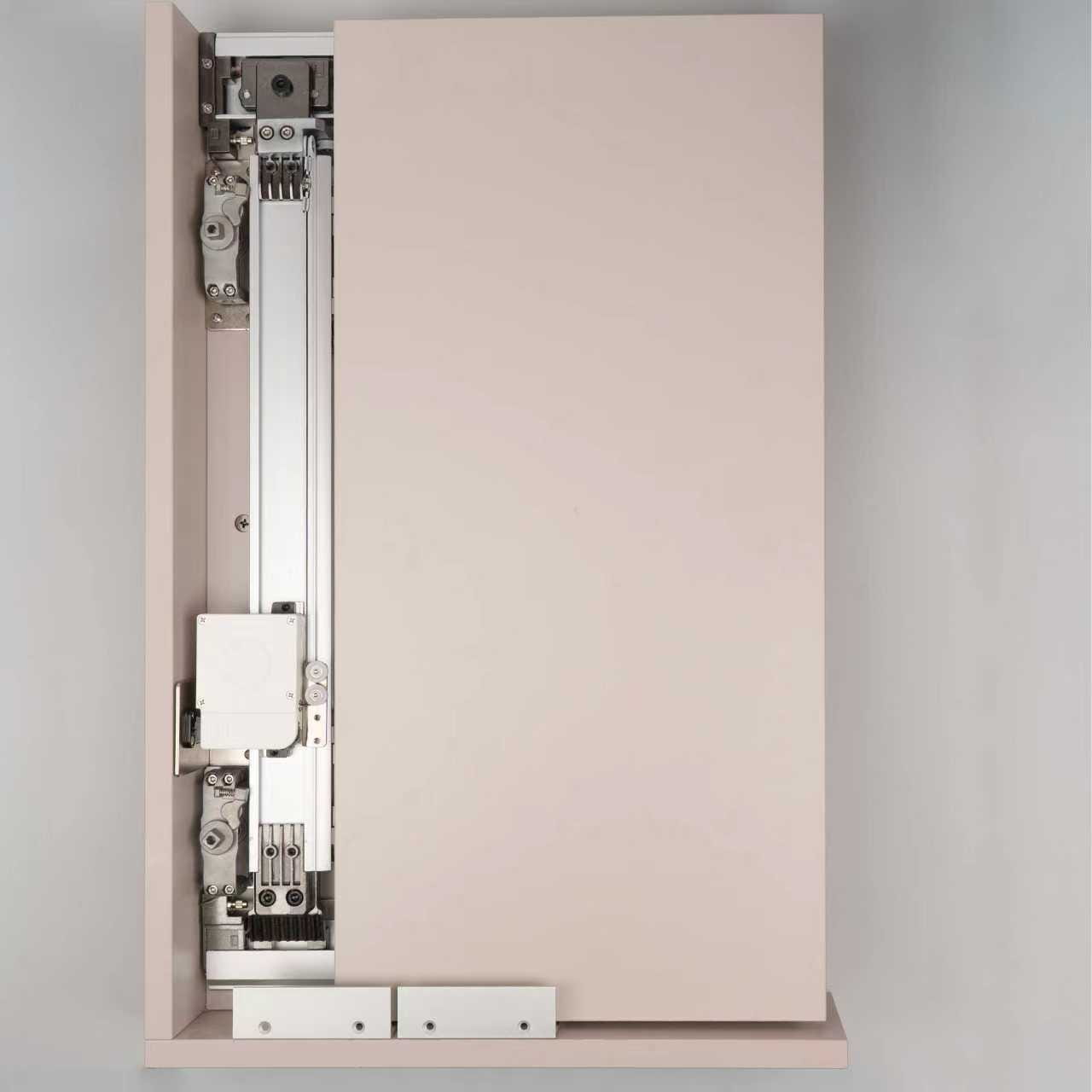
Unlike conventional cabinet hinges or sliding door fittings, a Pocket Door system is a fully integrated mechanism rather than a single component.
It typically includes:
· Top and bottom tracks
· Sliding and guiding systems
· Synchronization mechanisms
· Soft-closing damping components
· Optional push-to-open systems
This multi-component structure requires precise coordination between all parts, resulting in significantly higher R&D and manufacturing costs compared to traditional hardware.
One of the biggest selling points of a hidden cabinet door system is its ability to achieve a perfectly flush finish when closed.
To achieve this:
· The door movement path must be extremely precise
· Tracks must maintain perfect alignment
· The system must remain stable over long-term use
Any deviation can lead to:
· Door misalignment
· Jamming or friction
· Noise during operation
This is why high-precision machining and strict quality control are essential, further increasing production costs.
A high-quality Pocket Door system is not just functional—it delivers a premium user experience.
Key performance expectations include:
· Smooth and effortless opening
· Silent operation
· Soft and controlled closing
To achieve this, systems are equipped with:
· Advanced damping mechanisms
· Wear-resistant rollers
· High-grade metal components
These features ensure long-term durability, stability, and comfort, especially in high-frequency usage environments like kitchens and wardrobes.
Pocket Door systems are commonly used for:
· Full-height wardrobe doors
· Tall cabinet doors
· Large custom panels
These doors are significantly heavier than standard cabinet doors, requiring:
· Stronger structural support
· Higher material strength
· Reliable long-term performance
For example, MKDFIRE’s Pocket Door system P106 features:
· Aluminum profiles with anodized coating, improving corrosion resistance
· Imported zinc alloy hinges, supporting up to 35 kg per door
This ensures both durability and safety in demanding applications.
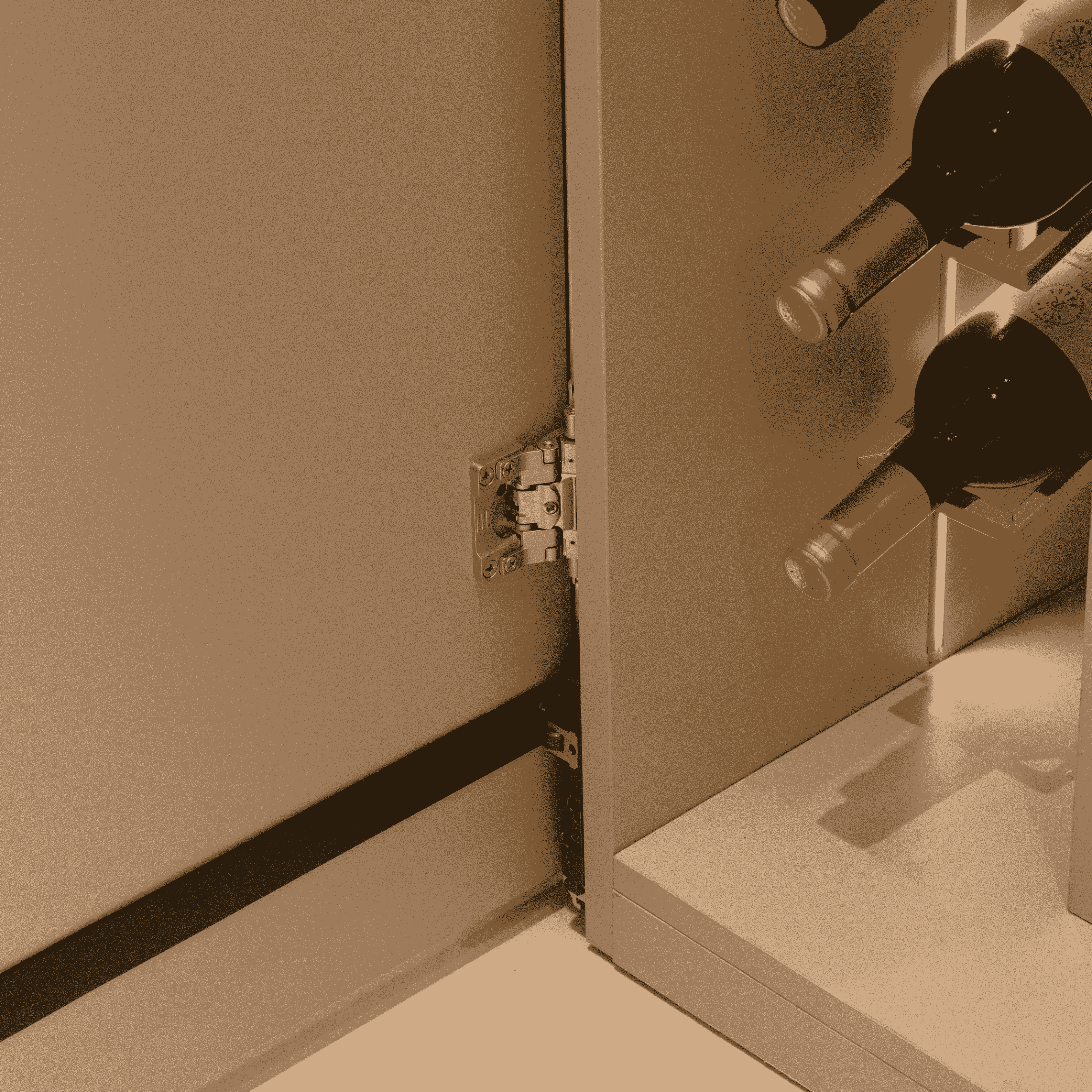
Due to its concealed structure, installing a Pocket Door system is more demanding than standard cabinet hardware.
Requirements include:
· Precise space planning during cabinet design
· Accurate alignment during installation
· Fine-tuning for smooth operation
To address this challenge, MKDFIRE's pocket door system P106 has optimized its design based on high-end systems like Concepta III, simplifying installation while maintaining performance.
Key improvements include:
· 3D adjustable hinges for easier alignment
· Simplified installation process
· Comparable performance to premium European systems
Leading hardware brands such as Salice and Hettich have invested heavily in Pocket Door technology, continuously improving:
· Structural innovation
· Durability testing
· User experience
These long-term investments highlight the technical barriers and value behind these systems.
The higher price of a Pocket Door system is not simply about material cost—it reflects a comprehensive upgrade in:
· Engineering complexity
· Manufacturing precision
· User experience
· Load-bearing performance
It is not just a piece of hardware, but a complete solution that integrates functionality with modern aesthetics.
As demand for high-end custom furniture, handleless cabinets, and minimalist interiors continues to grow, the Pocket Door system is set to play an even more important role in the future of furniture design.