

In most cases, these problems are first attributed to board quality or machining precision. However, in long-term high-frequency usage environments, the hinge system itself is often the core factor affecting cabinet stability. As the key component connecting the door and the cabinet body, hinges not only enable opening and closing movements but also continuously bear the weight of the door panel and repeated impact forces. Their structural performance directly determines the service life and maintenance cost of the cabinet.
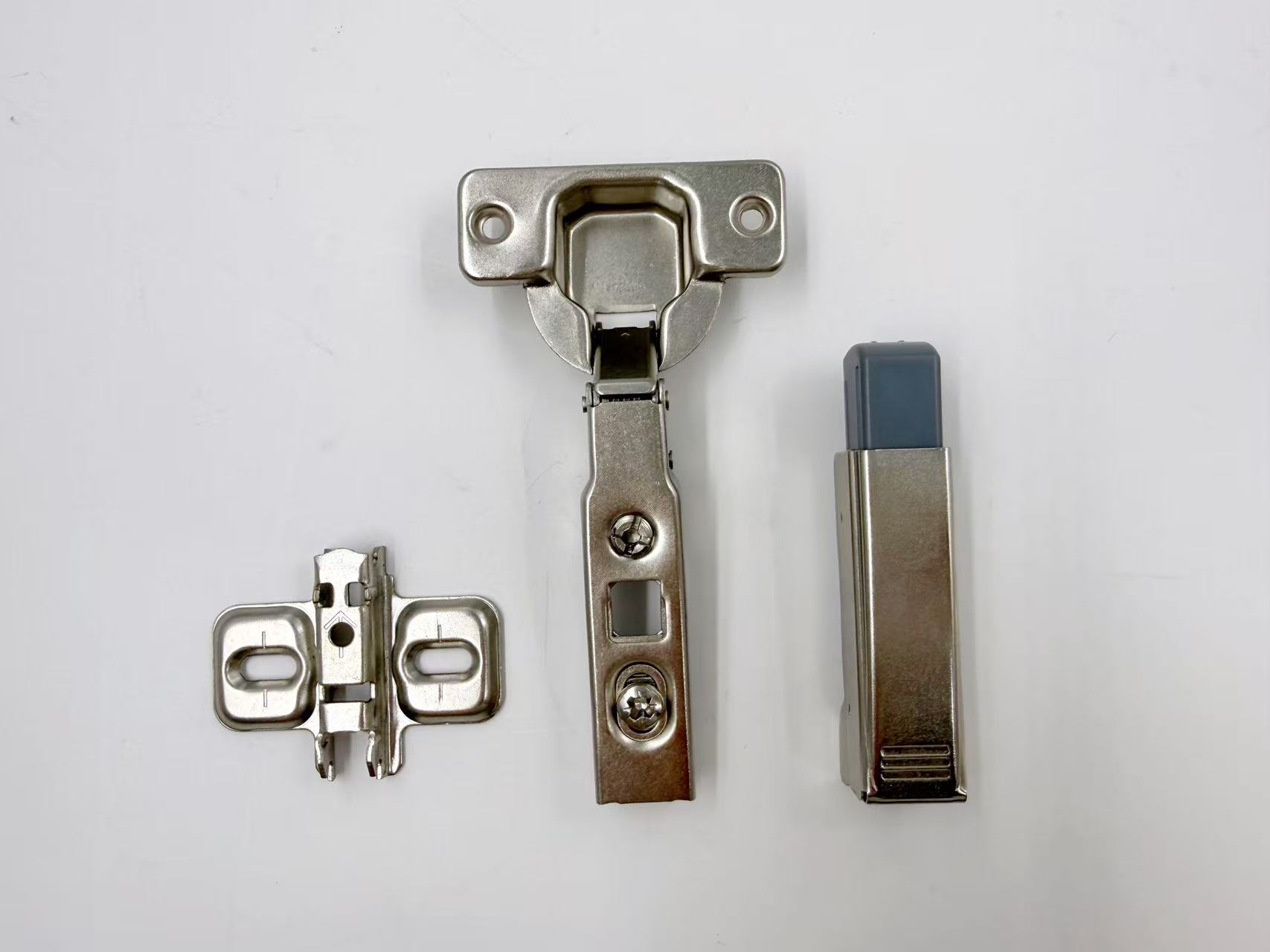
In modern furniture applications, Soft Close Concealed Hinges have gradually become a mainstream configuration. Their value is no longer limited to providing silent closing functionality, but has extended to the overall optimization of cabinet performance.
In real-world use, the final stage of cabinet door closing often generates a greater inertial impact than most people expect. This is especially true in high-frequency environments such as kitchens, hotels, and commercial spaces, where cabinet doors may be opened and closed dozens or even hundreds of times per day. Over time, this continuous micro-impact accumulates and can gradually affect the structural integrity of the cabinet system.
These effects typically manifest as loosening hinge screws, shifting door alignment, widening gaps between doors and cabinet frames, and eventual door sagging. Such changes usually occur gradually, making them difficult to detect in the early stages. Soft Close Concealed Hinges reduce this issue by using a hydraulic damping system that absorbs kinetic energy at the final stage of closing, allowing the door to decelerate in a controlled manner and significantly reducing long-term structural stress.
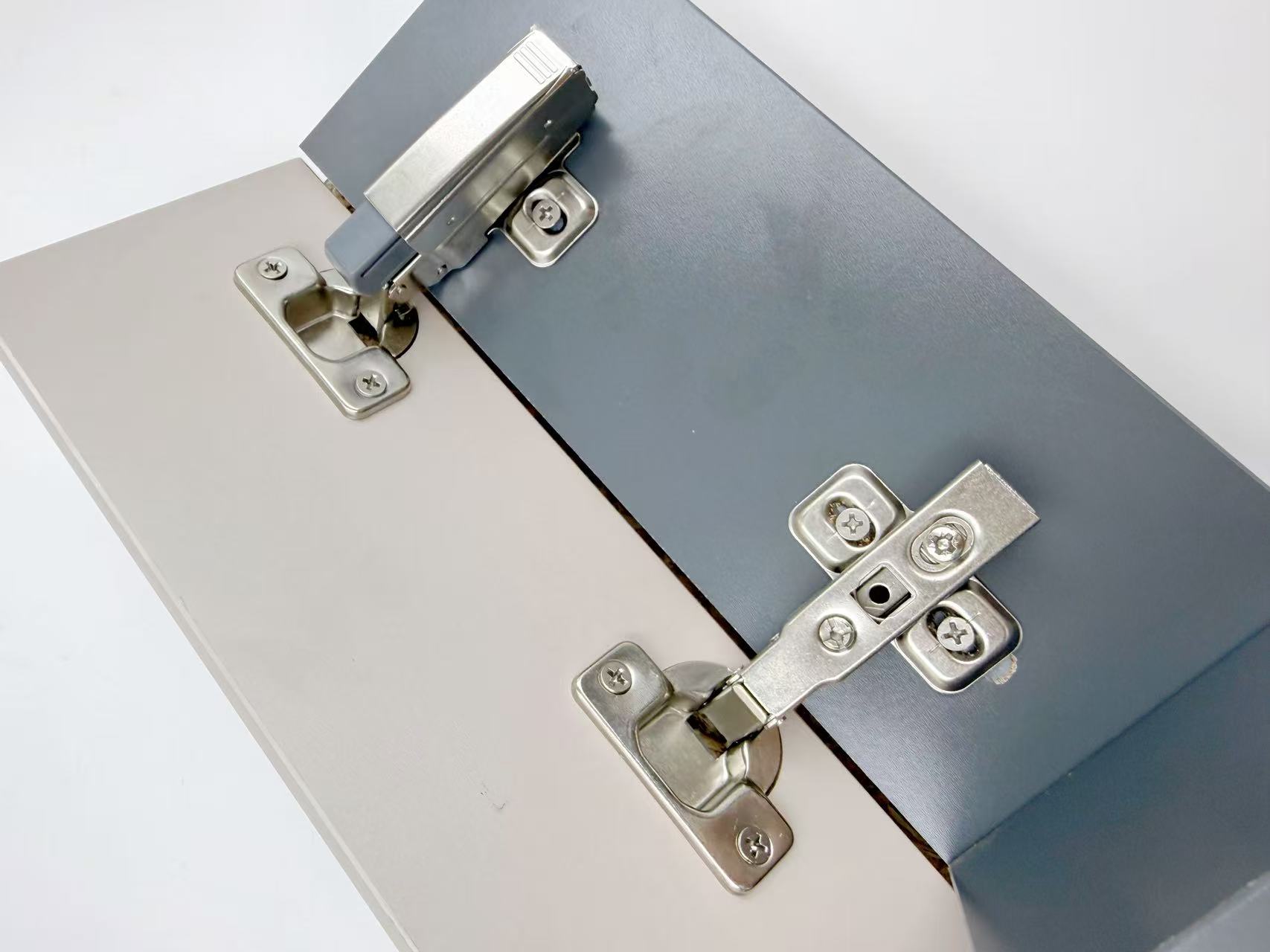
As end users place increasing emphasis on furniture experience, the way cabinet doors feel in daily use has become an increasingly important factor in product competitiveness. In the past, consumers focused mainly on visual design and spatial layout, whereas today, factors such as whether the door closes quietly, operates smoothly, or exhibits rebound have become key indicators of product quality.
In high-end residential projects, custom furniture applications, and commercial installations, soft-close functionality has gradually shifted from an optional feature to a standard configuration. Compared with traditional hinges, concealed soft-close hinges provide smoother motion, lower noise levels, and a more refined user experience, better aligning with modern expectations for comfort and perceived quality.
From a structural perspective, the service life of a cabinet is not determined solely by the board material itself, but is the result of multiple load-bearing systems working together. During daily use, the opening and closing of cabinet doors continuously applies force to hinge cup holes, fixing screws, cabinet side panels, and door connection areas. Over long-term cyclic loading, these components inevitably undergo micro-level structural changes.
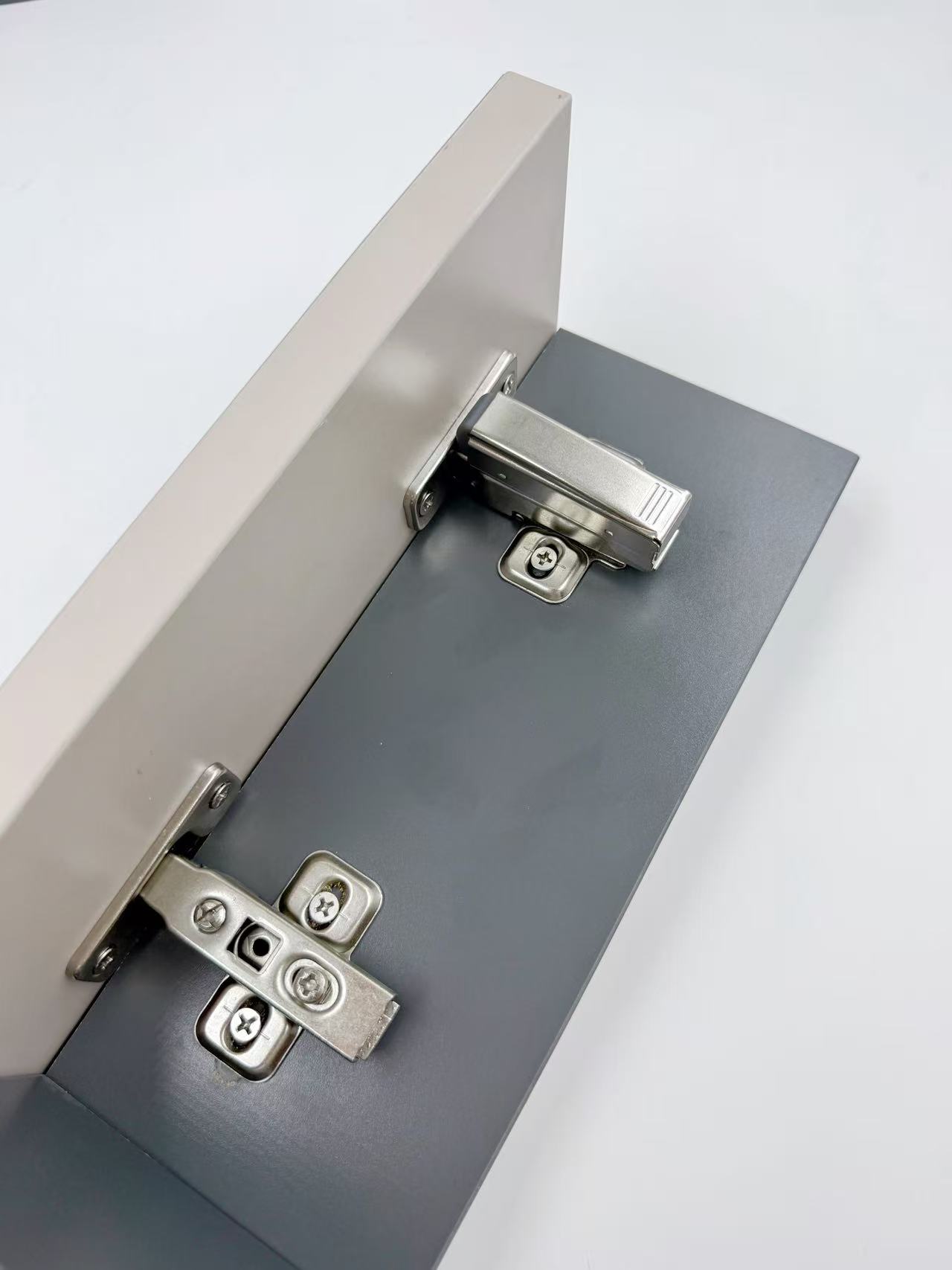
If the force distribution of the hinge is uneven, or if there is insufficient control during the opening and closing process, localized structural fatigue may be accelerated, which in turn affects the overall stability of the cabinet system. High-quality soft close concealed hinges are designed to provide more stable motion control and distribute impact forces more evenly across the structural system, thereby extending the overall service life of the cabinet.
At the same time, in engineering projects and custom furniture manufacturing, another increasingly important factor is compatibility. As project complexity increases, furniture manufacturers often need to handle orders with different market standards, door materials, and functional requirements simultaneously, making single-specification hardware less flexible in supply chain management.
In real applications, some clients prioritize full soft-close performance, while others focus more on cost control and only require basic opening and closing functionality. In addition, variations in door thickness, as well as the coexistence of wooden doors and glass-framed doors, further require hinge systems with stronger adaptability.
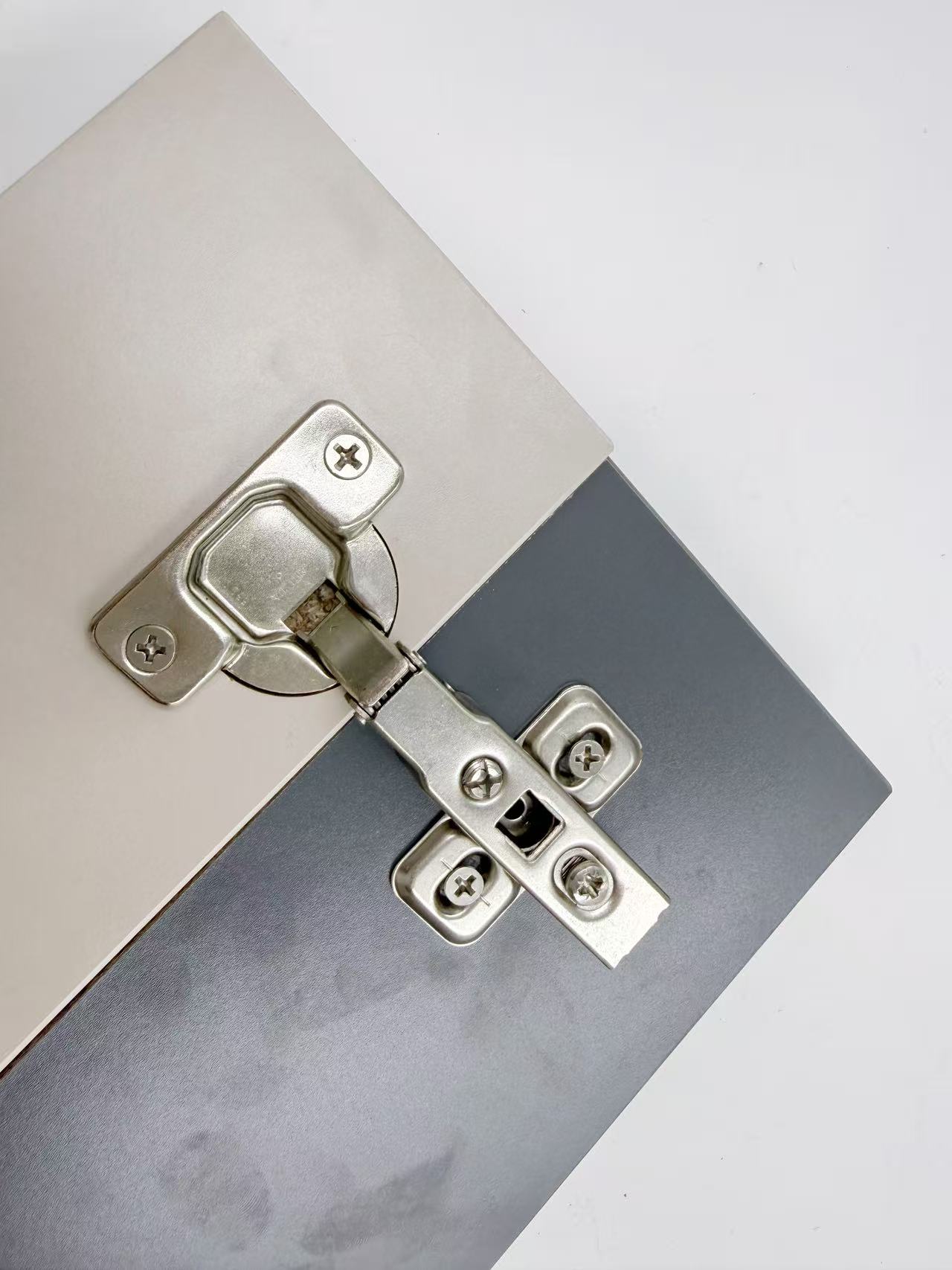
In this context, modular quick-install concealed hinge systems are increasingly being adopted by furniture manufacturers. For example, the M03.5 Clip-On Soft Close Hinge utilizes a detachable damping module structure, allowing the same hinge platform to be configured flexibly according to different project requirements. This enables switching between Full Soft Close (complete damping) and Semi Soft Close (reduced damping) without replacing the entire hardware system or restructuring the production setup.
In terms of application, this type of product is designed to support a wide range of cabinet configurations. It is compatible with 14–20mm wooden doors as well as glass-framed door structures, while also fitting standard 35mm cup hole systems and 105° opening angles. As a result, it can be applied across various scenarios, including custom furniture production, engineering cabinetry, and export-oriented projects.
For furniture manufacturers, the value of this modular design goes beyond simple functional expansion. More importantly, it helps optimize operational efficiency by reducing SKU complexity, lowering inventory and warehousing pressure, and improving switching efficiency between different project requirements.
In the installation and construction stage, modern concealed soft-close hinges generally adopt quick-install structures and multi-dimensional adjustment systems, making on-site installation more standardized. With adjustment capabilities in vertical (up and down), horizontal (left and right), and depth (front and back) directions, installers can position cabinet doors more quickly and perform precise alignment, thereby reducing rework rates and improving overall installation efficiency.

For large-scale custom manufacturing factories, this improvement in efficiency not only translates into shorter delivery cycles, but also results in lower labor costs and more stable project execution capabilities.
From an industry development perspective, concealed soft-close hinges are gradually evolving from single-function hardware components into system-level elements that influence overall cabinet performance. They affect not only door opening and closing feel and noise control, but are also directly related to cabinet structural stability, production efficiency, and supply chain management methods.
As competition in the furniture industry intensifies, future hinge selection criteria will shift from simply “whether soft-close functionality is included” toward “whether the system offers compatibility and multi-scenario adaptability.” For furniture manufacturers, this is not only a product upgrade requirement, but also an important direction for optimizing the entire production system.