

To address these challenges, the next-generation rechargeable electric push-to-open system provides a practical balance. With a built-in battery for wireless power supply and a gentle touch-activation mechanism, it enables smooth and effortless cabinet opening while maintaining the clean aesthetics of handleless design. More importantly, it significantly reduces the installation complexity and wiring costs associated with traditional smart hardware systems, making on-site installation much simpler and more efficient.
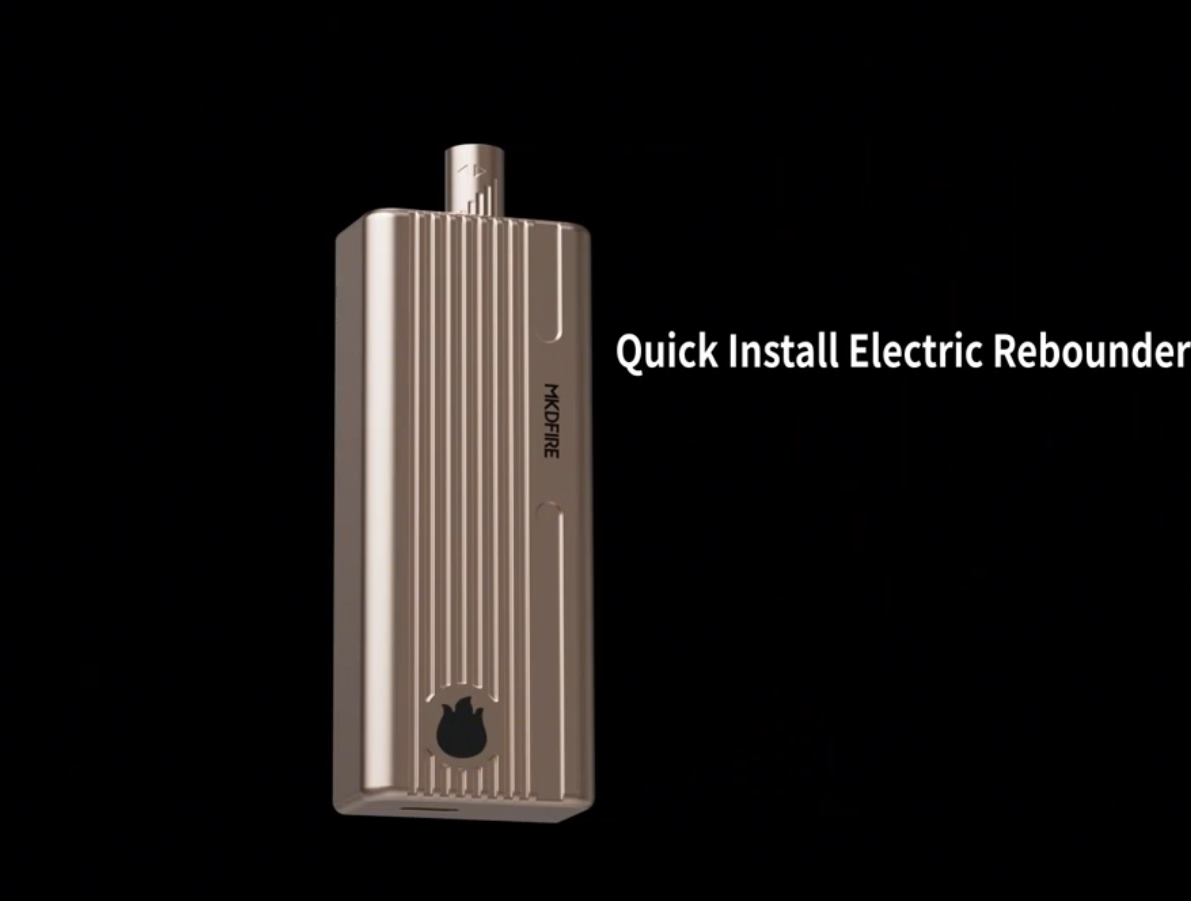
In the past, high-end electric opening systems typically relied on pre-installed wiring and fixed power supply structures. This type of solution appeared earlier in the European market. Representative products in the industry include:
· SERVO-DRIVE system by Blum
· Easys system by Hettich
Although these systems are mature in performance and deliver a stable user experience, they still present several practical limitations in real-world engineering applications:
· Early power planning required: Electrical wiring must be coordinated during the initial plumbing and electrical stage, making later changes to cabinet layouts difficult.
· Complex installation process: Cabinet manufacturers need to precisely machine wire channels on side panels or back panels in advance, requiring high processing accuracy.
· Strict cabinet structural requirements: Dedicated space must be reserved for transformers and ventilation or maintenance access.
· High coordination between trades: These systems often require close collaboration between carpenters and electricians. Any lack of coordination on-site may lead to project delays.
Therefore, in full-house customization and large-scale engineering projects, improving installation efficiency and reducing construction complexity have become key bottlenecks that need to be addressed for wider adoption of electric opening systems.
The key innovation of the next-generation rechargeable electric push-to-open system lies in eliminating dependence on external wiring and adopting a built-in battery-powered drive system. This design transforms a complex electrical setup into a modular, standardized furniture hardware component.
Through wireless power supply and touch-activated operation, it significantly improves the user experience in modern living environments:
· Hands-free convenience: When both hands are full, users can simply tap the cabinet door with an elbow or knee to trigger opening.
· Reduced fingerprints: Minimizes direct hand contact, helping reduce fingerprint marks on both high-gloss and matte cabinet surfaces.
· Smooth assisted opening: Provides electric assistance for large cabinet doors, avoiding issues common in mechanical push latches such as weak rebound force or failure to open smoothly.
Advancements in hardware design allow the system to deliver practical performance within a compact structure:
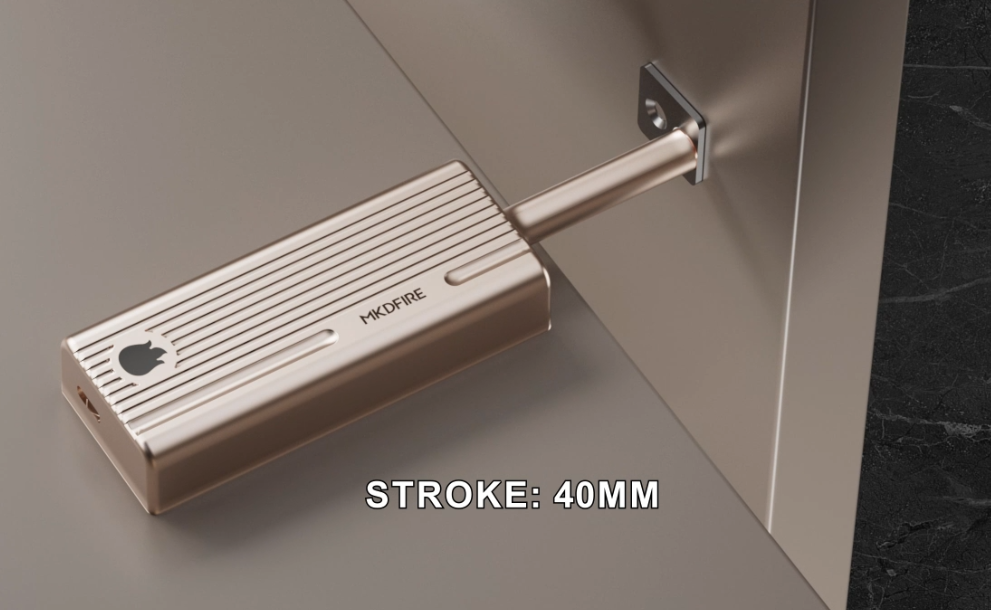
· Moderate pushing force: 35–45N push force with an opening stroke of approximately 40mm.
· Large-door compatibility: Supports Pocket Door Systems up to 2 meters in height, 600mm single-door width, and 18mm panel thickness, ensuring stable operation even with large cabinet doors.
· Long service life: Passed 50,000-cycle durability testing, meeting long-term daily usage requirements.
· Low-noise operation: Designed with low-vibration and quiet-running mechanisms, meeting residential and hospitality standards for noise control.
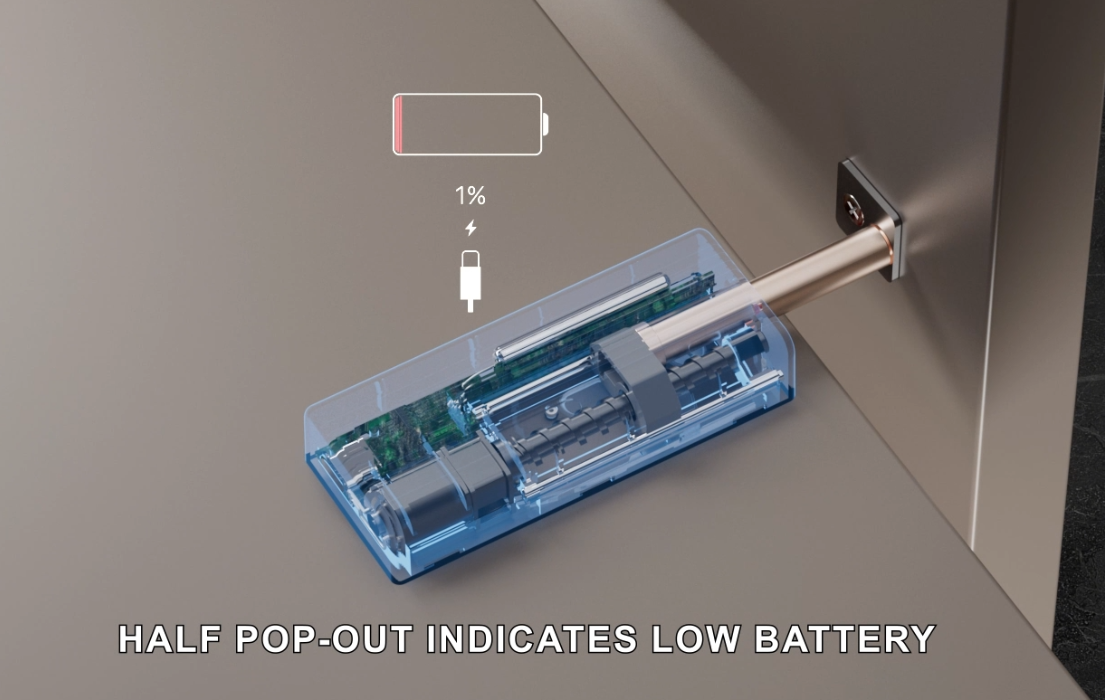
· Built-in power supply: Equipped with a 3.7V lithium battery (approximately 300mAh).
· Fully wireless operation: No wiring required, no external power supply needed, and fully independent operation, enabling flexible application in modern furniture systems.
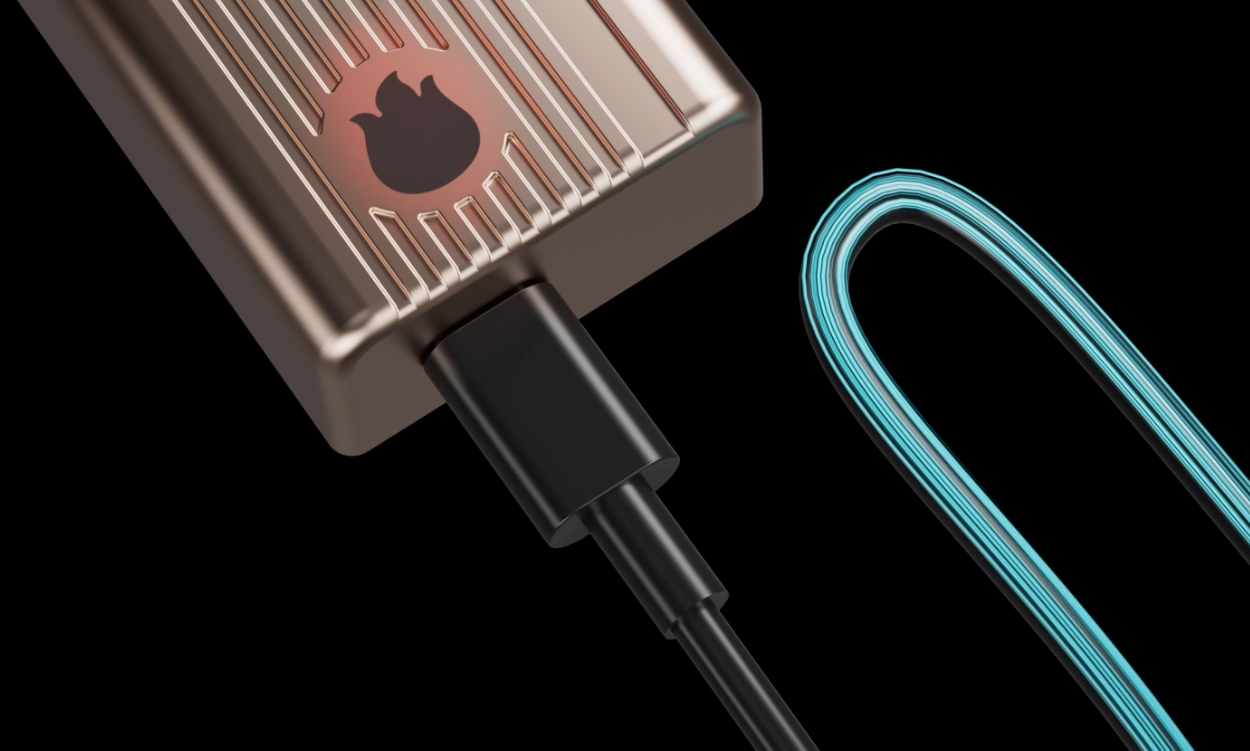
Supports a minimal installation gap of 0.8mm and offers a 0–7mm fine adjustment range (Precision Adjustment), allowing installers to quickly correct on-site tolerances and significantly reduce installation time and labor costs.
The installation logic of the next-generation electric push-to-open system no longer requires complex electrical engineering work. Instead, it is much closer to the installation process of standard mechanical furniture hardware.
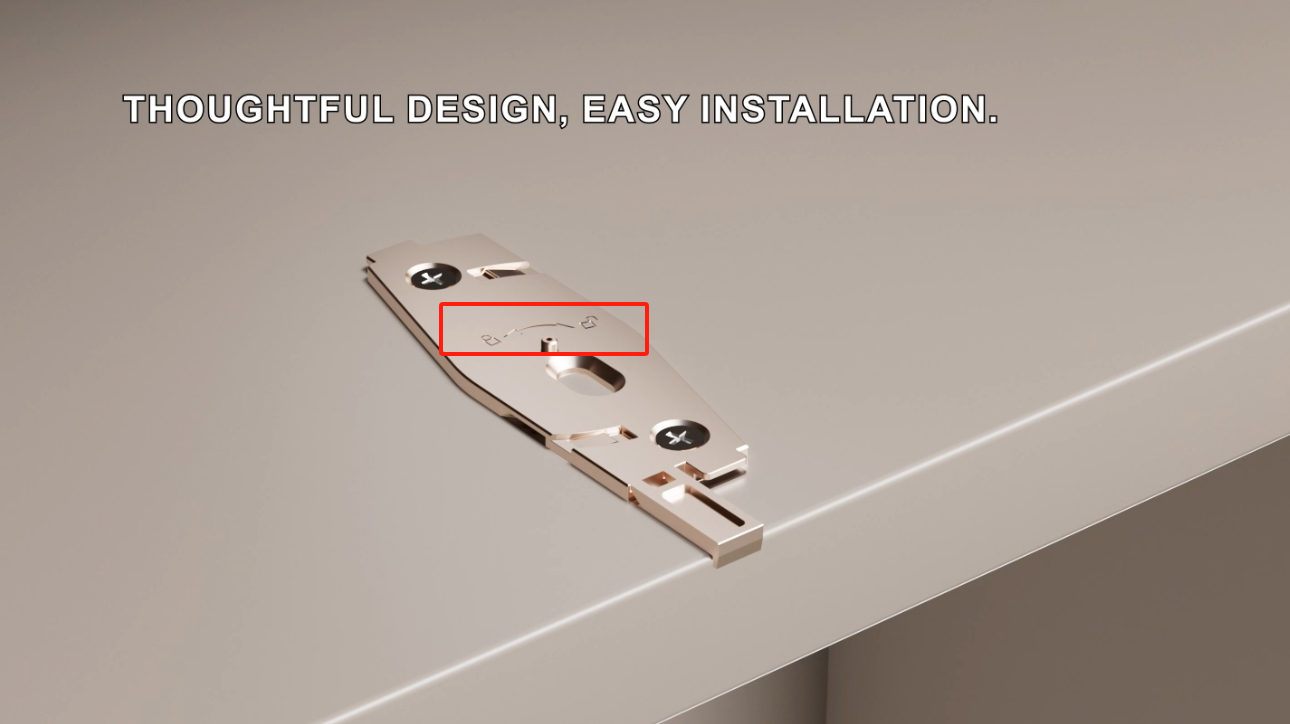
It adopts a Twist-Lock Base Design, making on-site installation and long-term maintenance significantly easier:
· Base fixing: Use the included positioning template to secure the base plate with screws.
· Main unit locking: Align the actuator with the base and rotate counterclockwise to lock it in place, enabling true plug-and-play installation.
· Easy charging: When charging is required, no tools are needed—simply rotate clockwise to detach the unit and recharge it via a standard Type-C interface.
Compared with traditional wired systems, its advantages include:
✔ No cabinet routing or drilling required
✔ No on-site wiring needed
✔ No external power module required
✔ Significantly reduced installation time on site
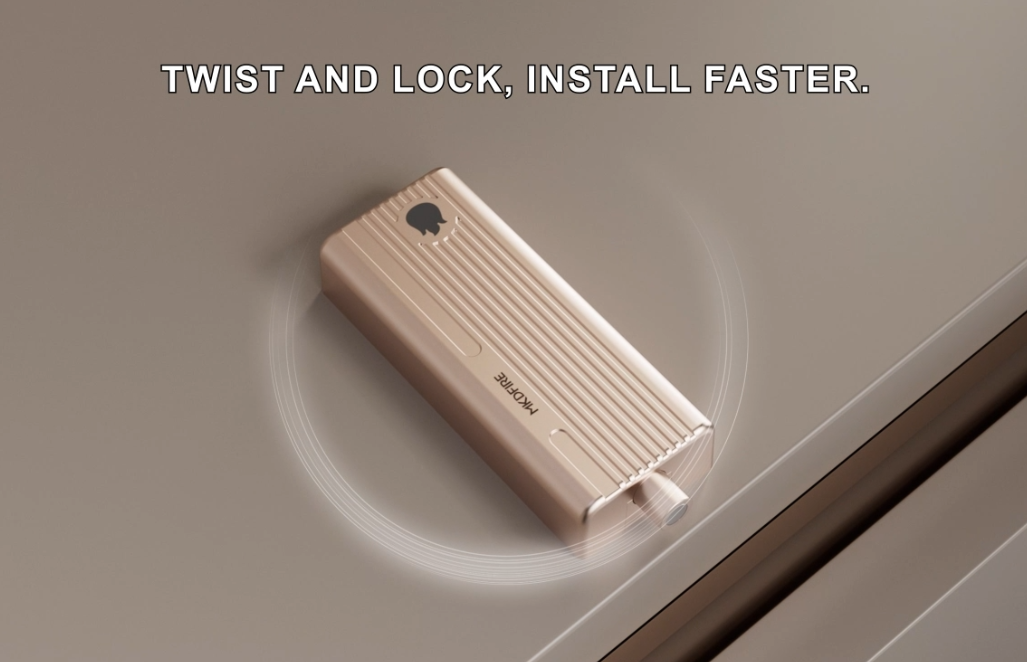
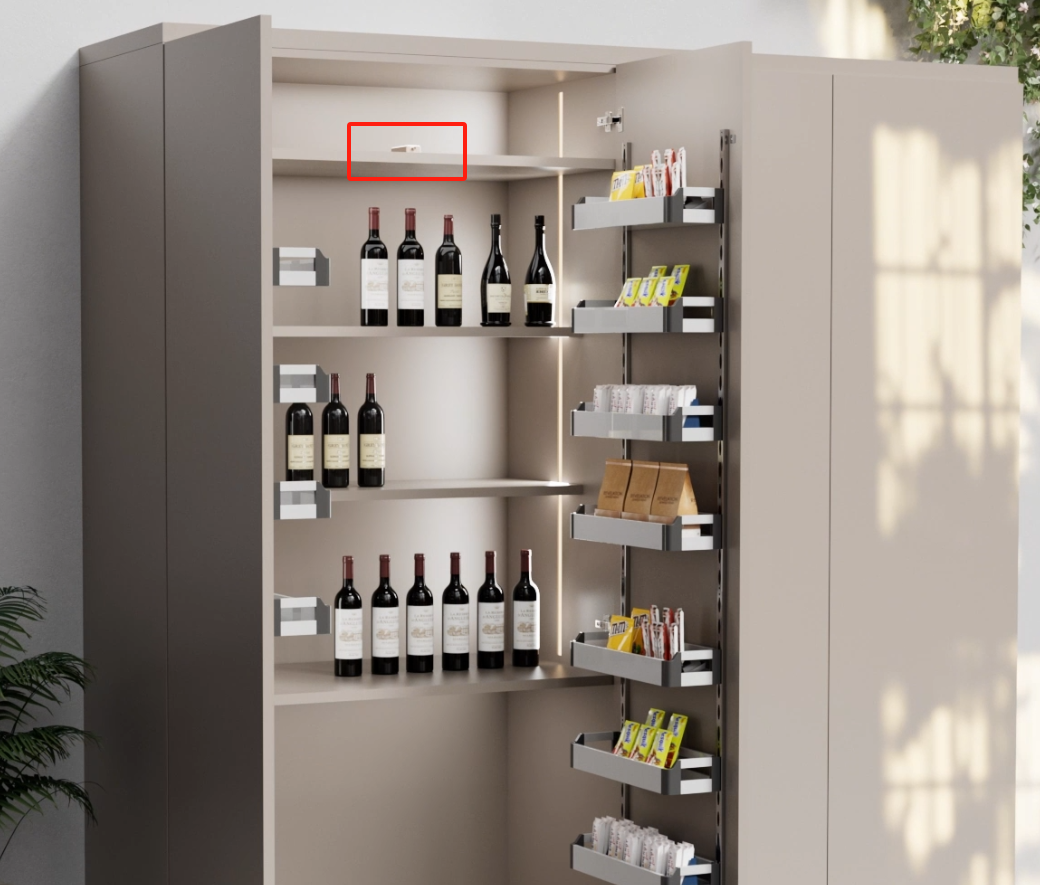
Thanks to the elimination of wiring constraints, this product offers strong retrofit capability (Retrofit-Friendly Design). It can be flexibly integrated not only into new custom furniture projects, but also into renovation and post-installation smart upgrades for existing homes.
Whether it is partial renovation of older properties, smart upgrades in fully finished apartments, or new residential customization projects, the system can be easily adapted without structural modification.
At present, it is widely used in:
· Handleless kitchen cabinet systems
· Wardrobe and storage cabinet systems
· High-end custom furniture and minimalist interior design spaces
· Large cabinet doors and Pocket Door concealed door systems
· Hotel and commercial furniture projects with strict requirements on construction time and maintenance efficiency
For cross-border e-commerce sellers, distributors, and furniture manufacturers seeking differentiation in independent store markets, flexible supply chain customization is a key factor in increasing product value and competitiveness.
As a professional source manufacturer, MKD Furniture Hardware (China) provides comprehensive branding and customization support for global B2B clients:
· Logo Customization: Supports custom logo printing on product surfaces, with low MOQ development and fast delivery.
· Structural Custom Design: Offers in-depth ODM development based on specific furniture structures or project requirements.
· Branded Hardware Solutions: Provides complete hardware system output, helping furniture factories and distributors build their own competitive branded product lines.